
Areas of expertise.
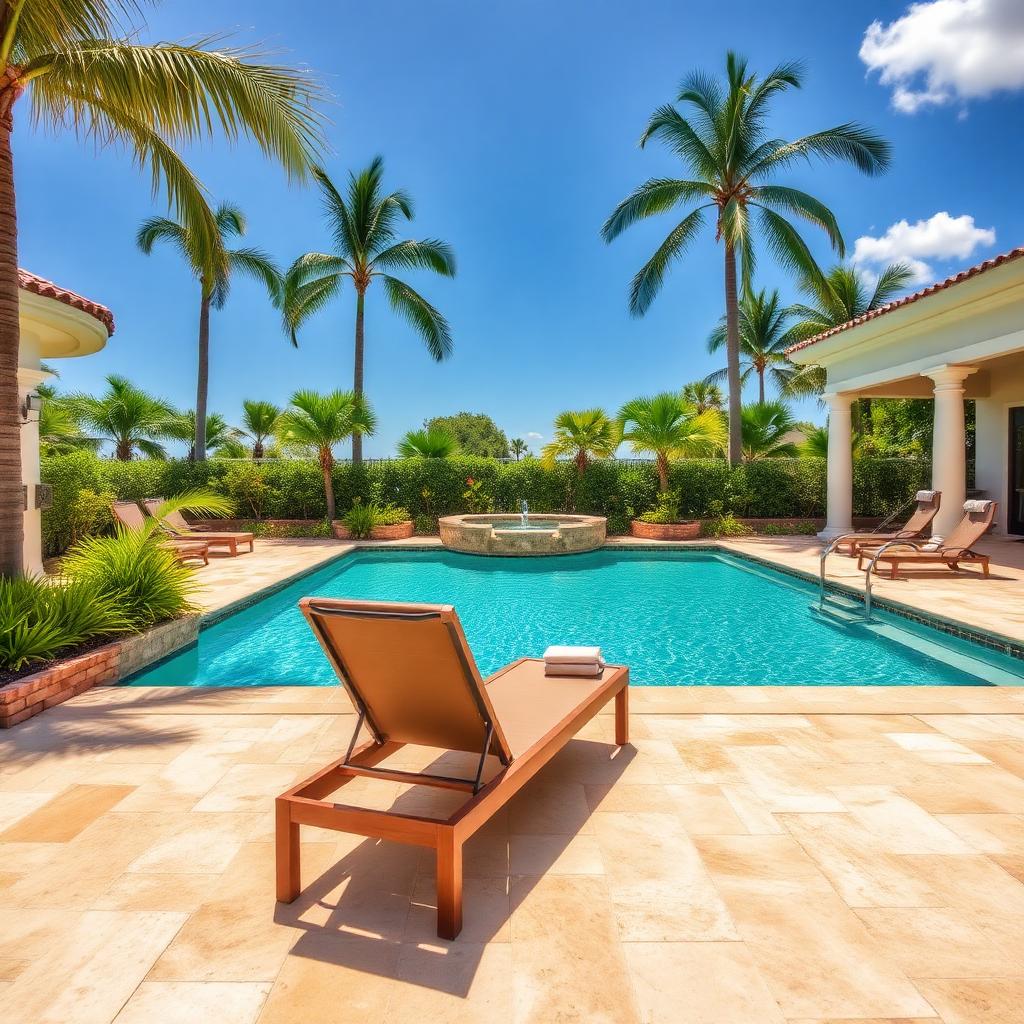
Tailored designs that complement your client's space, lifestyle, and vision, ensuring a pool that's both functional and visually stunning.
Incorporating advanced technologies to reduce energy consumption, optimize filtration, and maintain water quality.
Integration of solar or traditional heating systems to provide year-round comfort for residential and commercial pools.
Designs that include waterfalls, fountains, and other unique features to enhance your customers' pool experience.
What is in the plan set.
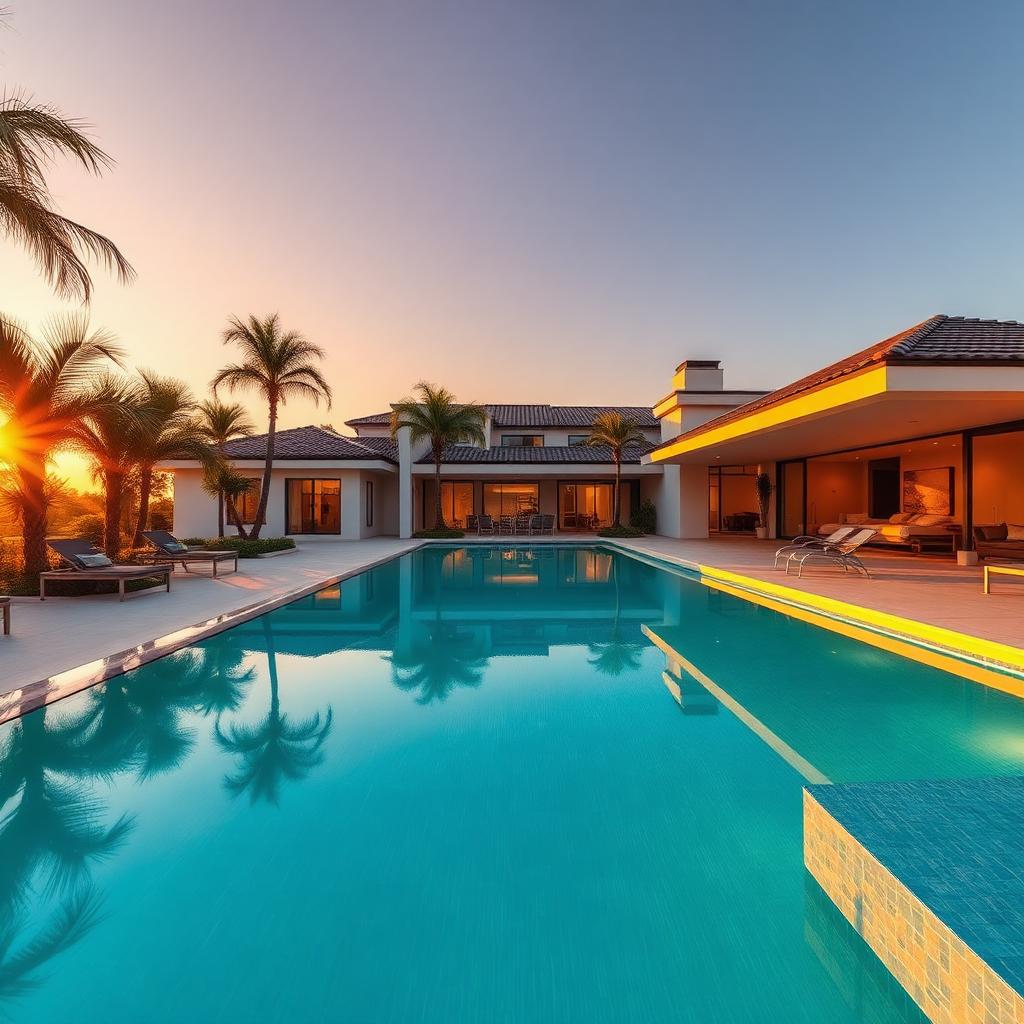
A pool plan set has to satisfy the structural, plumbing and electrical reviewers at once. We prepare all three together so the sheets agree with each other.
Shell thickness and reinforcement, steps and benches, and deck details, set for the site's soil and groundwater conditions.
Suction and return lines sized for flow and velocity, with the equipment connections and valves shown.
Pump, filter, heater and controls placed with working clearance, and drainage for the pad.
The equipotential bonding grid under NEC 680.26, showing the bonded parts and connection points.
Collector arrays, plumbing and controls, as part of the new pool or as a retrofit to an existing one.
Any wind or seismic details the local code requires, sealed with the set.
Why choose SunSmart for swimming pool design?
We combine technical precision with creative vision to design pools that are both beautiful and efficient.
Emphasizing eco-friendly options, including solar heating and energy-efficient equipment, to lower operational costs.
From initial concept to final plans, we work closely with you to ensure your pool meets your needs and exceeds expectations.
Whether for residential backyards or large-scale commercial facilities, we adapt our expertise to suit projects of all sizes.
Who this is for.
New residential pools that need structural, plumbing and bonding details sealed for the permit.
Added heating, new equipment or changes to an existing pool that need updated plans.
Hotel, resort, community and aquatic facility pools with variable depth, features or bathhouses.
Solar pool heating arrays, with collector attachment and plumbing engineered into the pool set.
Pool design, made easy.
We work closely with contractors to deliver designs that simplify the construction process while meeting all regulatory requirements. With a focus on efficiency, durability, and aesthetic appeal, every project is built to deliver lasting value.
Address, pool sketch or layout, intended equipment, any survey or soil report, and whether the pool is residential or commercial.
Code edition, soil assumptions, wind and seismic criteria, and the heating approach, confirmed with you before we draw.
Structural details, hydraulics, equipment pad and bonding, prepared together so the sheets agree.
You receive the stamped set for permit submittal.
If a reviewer comments on our sheets, we answer with revised details or added calculations.
Codes and standards involved.
Pool plans are reviewed against several rule sets. Your local building department decides which ones apply.
Covers electrical work for swimming pools, spas and hot tubs. Section 680.26 requires equipotential bonding of the shell, metal parts and equipment.
The Florida Building Code, 8th Edition (2023), with the 2020 NEC, applies through December 30, 2026. The 9th Edition (2026), with the 2023 NEC, is scheduled to take effect December 31, 2026. Check which edition your permit application falls under.
Pool and spa standards from ANSI and ICC, and the drain-cover rules of the Virginia Graeme Baker Pool and Spa Safety Act, shape equipment and suction design.
Commercial and public pools usually add health department review. In Florida that is the Department of Health's public swimming pool rules.
Pool structures, equipment and solar collectors are designed for the loads at the site, including wind per ASCE 7. Miami-Dade and Broward form the HVHZ, with stricter wind and product approval rules.
The 2025 Energy Code applies to permit applications filed from January 1, 2026 and sets heating and cover rules for pools and spas.
Problems we solve or prevent.
A bonding grid that is missing a component or has a poor connection stops an inspection. We detail every bonded part and connection point.
Pipe sized wrong gives poor circulation, noise or wasted pump energy. We size lines for the flow the equipment needs.
High water tables and pad drainage affect the shell and the equipment. We design for the soil and water conditions you report.
Collector arrays add wind uplift to a roof or rack. We engineer the attachment alongside the heating design.
Both. We design residential backyard pools, hotel and resort pools, community pools, and large-scale commercial aquatic facilities, each with the right regulatory package for its jurisdiction.
Yes. Solar thermal pool heating is one of our core disciplines. We can specify collector arrays, plumbing, and controls as part of the pool design, or as a retrofit to an existing pool.
Every pool set includes the plumbing schematic, equipment pad layout, structural details for shell and deck, and any hurricane or seismic details the local code requires.
Timing depends on the project and the documents you send; we confirm it when we scope the job. Commercial projects with variable depth, features, or bathhouses scope up front based on complexity.
Section 680.26 requires equipotential bonding: metal parts in and around the pool, the pool shell's reinforcing steel, and pool equipment are bonded together so there is no voltage difference between them. Missing or poorly made bonding connections are a common reason a pool fails its electrical inspection. Our guide on 680.26 walks through the details.
As we read the statute, no. Pool and hot-tub heating never qualified under the §25D homeowner credit, which has also ended for expenditures after 2025. The business credit under §48E requires electricity generation, so it does not cover solar thermal. Check with your tax advisor for your project.
For permit applications filed from January 1, 2026, Title 24 requires pool and spa heating to be solar, a heat pump, or to use at least 60% site-recovered or renewable energy. Outdoor heated pools also need a cover. Contractors working in California should plan the heating system with that in mind.
Send the site address, the pool layout or sketch, the equipment you plan to use, and any survey or soil report. Tell us if the pool is residential or commercial, and whether it will have solar heating. We will confirm the scope and anything else we need.
Let's design your next pool.
We understand the importance of precision and creativity in swimming pool design, from initial concept to final code-compliant plans.
Pool engineering guides.
These guides cover the design questions pool builders and solar thermal contractors ask us most.
Guides & insights
Related articles
- Title 24 Explained: How California's New Pool Heating Rules Work (And How to Take Advantage)Pools & Solar Thermal
- Drainage & Stormwater Control Strategies for Swimming Pool InstallationsPools & Solar Thermal
- Solar Pool Heating for Commercial and Competition PoolsPools & Solar Thermal
- Solar Pool Heating Design FundamentalsPools & Solar Thermal
- Solar and Hybrid Pool HeatingPools & Solar Thermal
- Pipe Sizing for Swimming PoolsPools & Solar Thermal