

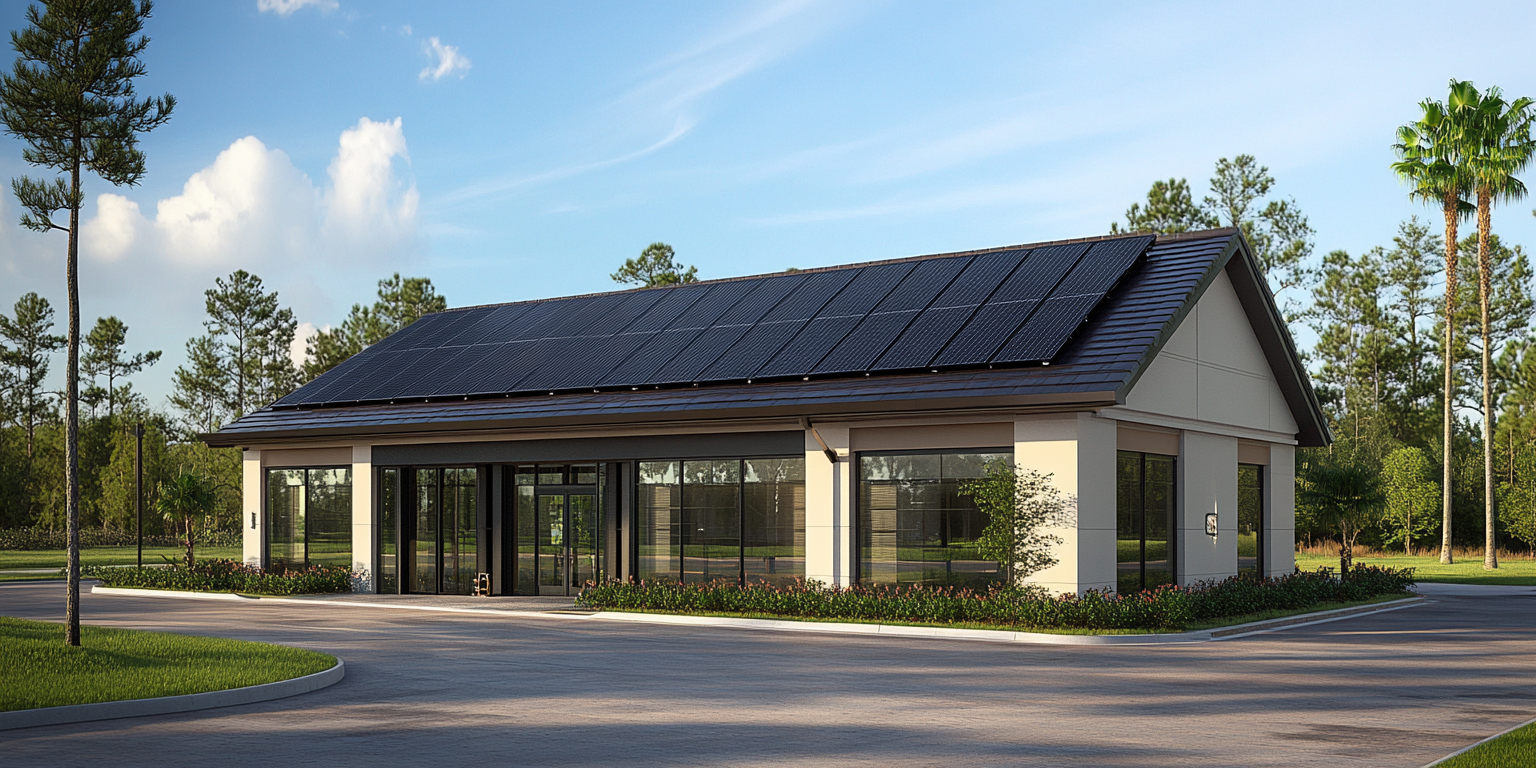
The federal Residential Clean Energy Credit (§25D) is over: it does not apply to expenditures made after December 31, 2025, so a homeowner who buys a system today gets no federal credit. Commercial, third-party-owned and utility projects can still claim the §48E clean electricity investment credit, but only if construction began on or before July 4, 2026, or the facility is placed in service by December 31, 2027. The window for starting construction closed on July 4, 2026. Energy storage follows a separate, longer phase-out, and every project that begins construction after 2025 has to meet foreign-sourcing (FEOC) limits.
Key takeaways
- The §25D homeowner credit ended for expenditures after December 31, 2025, and no federal law enacted in 2026 has restored or extended it.
- Under §48E, a wind or solar project that began construction after July 4, 2026 must be placed in service by December 31, 2027.
- A federal court vacated Notice 2025-42 on June 6, 2026, which restored the 5% safe harbor for now; whether that ruling holds on appeal is not settled.
- Projects that begin construction after 2025 must meet a minimum non-prohibited-foreign-entity cost ratio, 40% for 2026 solar starts and 55% for storage.
- Business storage keeps its credit past 2027, phasing out from 2034, and there is no federal credit for new solar thermal or pool heating.
- Florida has no state solar rebate that we could find, but solar equipment is exempt from sales tax and most of its value is excluded from property assessment.
Is there still a federal tax credit for residential solar?
No. The IRS page for the Residential Clean Energy Credit states the credit is not available after 2025, and the statute (§25D, enacted through P.L. 119-21, the One Big Beautiful Bill Act) terminates it for expenditures after December 31, 2025. That credit used to cover solar PV, batteries of 3 kWh or more, solar water heating and small wind.
The other homeowner and builder incentives that contractors used to quote have also ended:
| Incentive | Status as of November 2026 |
|---|---|
| §25D residential clean energy credit (PV, batteries, solar water heating) | Ended: no credit for expenditures after 12/31/2025 |
| §25C energy efficient home improvement credit | Ended for property placed in service after 12/31/2025 |
| §45L new energy efficient home credit | Ended for homes acquired after 6/30/2026 |
| §179D energy efficient commercial buildings deduction | Does not apply to property whose construction begins after 6/30/2026 |
| §48E / §45Y business credits | Still available, with deadlines and FEOC rules (below) |
What to tell a homeowner who asks about "the 30% credit": it applied through 2025, it has ended, and any quote that still counts on it is wrong. A homeowner who wants solar now is deciding on bill savings, financing and net metering. Our cost and payback guide shows how to run those numbers, and the net metering guide covers the billing side.
Which federal credits can commercial and third-party-owned solar still claim?
The §48E clean electricity investment credit (an up-front credit on eligible project cost) and its production-based counterpart §45Y (paid per kWh produced) remain in place for businesses, third-party owners and utilities. §48E sets the credit rate, the bonus adders and the phase-out schedule. Almost every commercial rooftop, canopy and ground-mount job uses §48E, and our post on 48E versus 45Y explains how an owner chooses and what the credit is worth.
Third-party ownership matters on residential work too. When a homeowner signs a lease or PPA, the owner of the system claims the credit under §48E, subject to the same dates and FEOC rules. Leased solar water heating and small wind that would have qualified under §25D get no §48E credit. Leased PV is not affected.
For project cost, treat the credit as a reduction in net cost that depends on dates and documentation, not as a given. A credit that disappears because the facility missed its placed-in-service date turns a bankable project into one that does not pencil. The old advice to "stack state and federal incentives until the project costs half the sticker price" does not hold up now. Model the project twice, with and without the credit, and show the customer the gap.
Several credits and deductions you may see in older material, including §179D and §45L, have lapsed. Depreciation treatment is a question for the owner's tax advisor, since we do not give tax advice.
What deadlines decide whether a commercial project keeps its credit?
There are two routes, and the dates are fixed in law and in IRS guidance:
| Wind and solar facility | Rule |
|---|---|
| Construction began on or before July 4, 2026 | No placed-in-service deadline. The 4-calendar-year continuity safe harbor applies. |
| Construction begins after July 4, 2026 | Must be placed in service by December 31, 2027. |
The window for starting construction closed on July 4, 2026. For a deal signed today that has not started construction, the only route left is placing the facility in service by the end of 2027. That makes interconnection and utility timelines a credit risk, not just a schedule problem. Our posts on the 2027 deadline clock and on what "beginning construction" really means go deeper, and the safe harbor ruling covers the litigation.
Notice 2025-42, issued August 15, 2025, tried to change how construction start is proven. For facilities beginning construction on or after September 2, 2025, it allowed only the Physical Work Test and dropped the 5% safe harbor, except for solar facilities of 1.5 MW AC or less.
On June 6, 2026, the U.S. District Court for the District of Columbia vacated Notice 2025-42 in full in Oregon Environmental Council v. IRS (KPMG summary). That puts the earlier beginning-of-construction guidance, including the 5% safe harbor, back in effect for now. As of November 2026 we could not confirm whether the government's appeal is resolved, so treat the ruling as unsettled.
Two practical points. The safe harbor only matters for proving that construction began on or before July 4, 2026, and that date has passed. If a project's credit depends on a 5% equipment purchase made before then, have the owner's tax advisor document it carefully and plan for the ruling being reversed.
How do FEOC rules change what you can buy?
Projects that begin construction after December 31, 2025 must meet a material assistance cost ratio (MACR): a minimum share of the facility's cost that does not come from a prohibited foreign entity. The rule comes from §7701(a)(52), and the minimums step up each year:
| Construction start | 2026 | 2027 | 2028 | 2029 | 2030+ |
|---|---|---|---|---|---|
| Qualified facilities | 40% | 45% | 50% | 55% | 60% |
| Storage | 55% | 60% | 65% | 70% | 75% |
Notice 2026-15, published February 12, 2026, is the interim guidance. It offers three safe harbors for determining MACR: identification, cost percentage and certification. It also says Treasury intends to issue proposed regulations. As of early November 2026 we have not seen them, so treat the details as moving.
For contractors, this changes purchasing. Get FEOC documentation from the supplier before you place the order, keep it in the project file, and build the MACR calculation into the bid. Our posts on what a foreign entity of concern is and on whether compliant equipment is actually available cover the practical side. Credit transfers under §6418 to a specified foreign entity are also barred.
Does battery storage still get a federal credit?
Business storage does, and homeowner storage does not. Batteries of 3 kWh or more used to qualify under §25D, which has ended, so a homeowner who buys a battery with cash or a loan gets no federal credit. Storage owned by a business or third party can still qualify under §48E.
Storage is not subject to the 2027 cutoff that applies to wind and solar. It follows the general phase-out by construction-start year: 100% through 2033, 75% in 2034, 50% in 2035, then 0%. It does carry the higher FEOC minimums in the table above. If you are designing storage for a commercial customer, our energy storage engineering work includes the plan set that goes with the credit documentation.
Do solar thermal and pool heating projects qualify?
No federal credit applies to new solar thermal or pool heating projects. Pool and hot tub heating never qualified under §25D, and the IRS Form 5695 instructions say costs allocable to a swimming pool or hot tub do not qualify. Business solar water heating does not fit §48E, which requires electricity generation, and the legacy §48 solar credit paid 6% only where construction began before January 1, 2025 and was cut to 0% after that. That is our reading of the statute, not an IRS statement, so phrase it carefully with customers.
For pool contractors, the incentive conversation has moved to code. California's 2025 Energy Code requires pool and spa heating to be solar, a heat pump, or 60% site-recovered or renewable energy for permit applications filed from January 1, 2026. See Title 24 explained for that.
How do bonus adders, direct pay and credit transfers work?
Three features still shape deal value:
- Domestic content. The bonus requires a minimum domestic share set by construction start: 45% for starts from June 16 through December 31, 2025, 50% in 2026, and 55% after 2026. See domestic content as a competitive edge.
- Energy community. The bonus adds 2 percentage points at the base rate and 10 points at the alternative rate.
- Low-income communities (§48E(h)). The program is still active at 1.8 GW per year, but the 2026 application window ran February 2 to August 7, 2026.
Owners without a tax bill can still monetize the credit. Elective pay under §6417 is limited to tax-exempt organizations, state and local governments, the Tennessee Valley Authority, tribal governments, Alaska Native corporations and rural electric cooperatives, and §48E is on the list of eligible credits. Our posts on direct pay for tax-exempt owners and the Florida direct-pay awareness gap show how schools and cities use it. Taxable owners who cannot use the full credit can sell it for cash under §6418.
What state and local incentives apply in Florida?
Florida has no state solar rebate that we could find, but two tax rules still help. Solar energy systems and their components are exempt from sales tax under §212.08(7)(hh), and the Florida Solar Energy Center certifies the list of qualifying equipment. Under §193.624, renewable device value is excluded from property assessment: 100% for residential and 80% for nonresidential property. The subsection (2)-(3) amendments expire December 31, 2037.
Net metering is the other big Florida factor. The PSC's net-metering rule has not changed since 2008 and full-retail net metering continues, which is covered in our net metering and interconnection guide. Outside Florida, state programs vary widely, so check the state energy office and the local utility before you quote.
FAQ
Can a homeowner still get a credit for a solar battery?
No. Homeowner battery storage qualified under §25D, which ended for expenditures after December 31, 2025. A business or third-party owner can still claim a storage credit under §48E, subject to FEOC limits.
Did Congress extend or restore the solar credits in 2026?
No. No federal law enacted in 2026 restores or extends them. Bills have been introduced, but none has passed, so quote jobs under current law.
Is a lease or PPA still a way to get a federal credit into a residential deal?
Yes, in the sense that the third-party owner can claim the §48E credit on leased PV and may reflect it in the lease or PPA price. The owner must meet the same dates and FEOC rules, and the homeowner is not claiming anything. Leased solar water heating and small wind get no §48E credit.
What is the highest-risk date on a commercial deal in 2026?
December 31, 2027 for any wind or solar facility that began construction after July 4, 2026. Missing the placed-in-service date forfeits the credit, so schedule the interconnection application and utility inspection as early as the plan set allows.
Does the 5% safe harbor still work?
For now, yes. A federal court vacated Notice 2025-42 on June 6, 2026, which restored the earlier guidance and its 5% safe harbor, but the ruling could still be reversed on appeal. It only matters for projects claiming construction began on or before July 4, 2026, so have a tax advisor document any project that depends on it.
Bottom line
Residential solar lost its federal credit after 2025, so quote it on savings, financing and net metering. Commercial and third-party-owned solar can still claim §48E, but the start-construction window closed July 4, 2026, and what remains is a December 31, 2027 placed-in-service deadline and FEOC documentation. Storage lasts longer than solar, and solar thermal and pool heating get no federal credit. Re-check these rules before each bid, because the FEOC guidance is still being written. SunSmart Engineering designs and stamps PV plan sets for contractors in all 50 states.
Keep reading.
Have a project in mind?
Tell us what you're building and we'll help you get it engineered, sealed, and permitted.